

Physiotherapy · Abbotsford, BC
Physiotherapy in Abbotsford
Altus Integrated Health provides physiotherapy at two Abbotsford clinics: a thorough assessment, hands-on treatment and exercise-based rehab, with a plan built around what you want to do again.
- No referral needed. Book online or by phone.
- Six physiotherapists across McCallum Road and Ventura Avenue.
- Direct billing for eligible extended health plans.
- ICBC and WorkSafeBC claims billed on your behalf.
Physiotherapy at Altus
When pain starts limiting what you do
A stiff neck that turns into shoulder pain. A back that tightens every time you lift. A knee that never felt right after the injury. The longer a problem lingers, the longer it usually takes to settle: pain that lasts past three months is classed as chronic, and it takes more work to turn around.
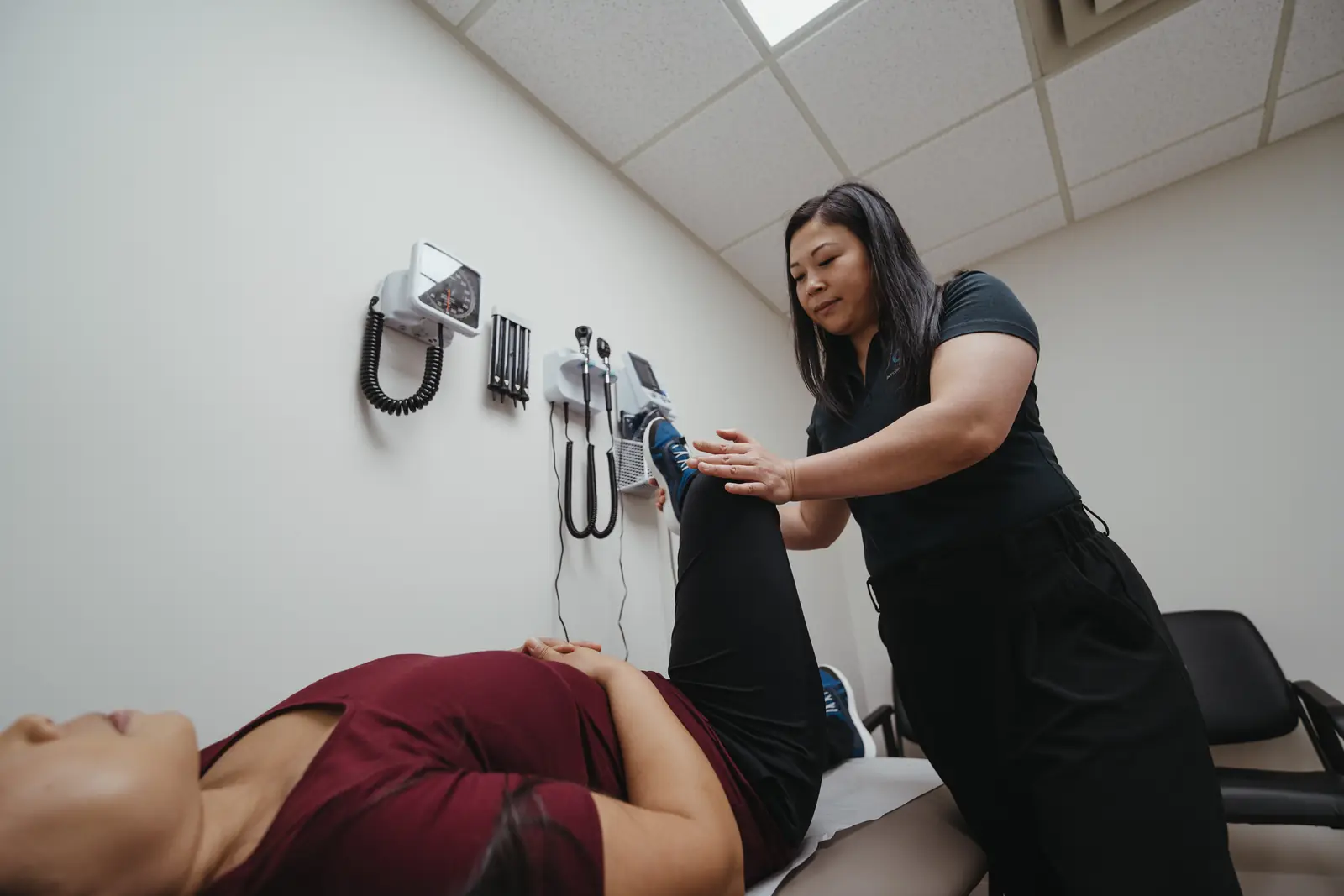
Our physiotherapists start by finding out what's actually limiting you. Then they combine hands-on treatment with exercise you can do between visits, and they measure progress by what you can do again, not just by your pain score.
They work in the same clinic as our chiropractors, massage therapists and kinesiologist. When another practitioner would help, they talk to them about your case first, so you don't have to start your story again.
What we commonly see
Conditions our physiotherapists treat
Physiotherapy covers far more than recovery after surgery. These are the problems that bring people to our clinics most often.
Neck and shoulder pain
Stiff necks, shoulder injuries, and neck pain that spreads into the shoulder or arm.
Low back pain and sciatica
Low back pain with or without leg symptoms, including disc-related pain and nerve pain that travels down the leg.
Sports injuries
Sprains, strains and tendon problems, with structured rehab and a staged return to sport.
Rehab after surgery
Post-operative physiotherapy after joint replacement and other orthopaedic surgery, built around your surgeon's guidelines.
Headaches and jaw pain
Headaches that start in the neck, plus TMJ problems such as jaw pain and clicking.
Guide: what causes TMJ pain?Dizziness and concussion
Vestibular assessment and treatment for dizziness and vertigo, and concussion assessment and rehab.
Concussion and vertigo careCar accident and work injuries
Whiplash and other injuries after a crash or at work, with ICBC and WorkSafeBC claims billed on your behalf.
ICBC treatmentOur approach
Hands-on care, then exercise that keeps it working
Every plan mixes treatment in the clinic with work you do at home. Your physiotherapist chooses the techniques from what the assessment shows, and adjusts them as you progress.
Book PhysiotherapyManual therapy
Joint mobilization, soft-tissue release and taping, including the Mulligan, Maitland and McKenzie approaches used on our team. Ranvir and Tarnjit also offer cupping.
Exercise-based rehab
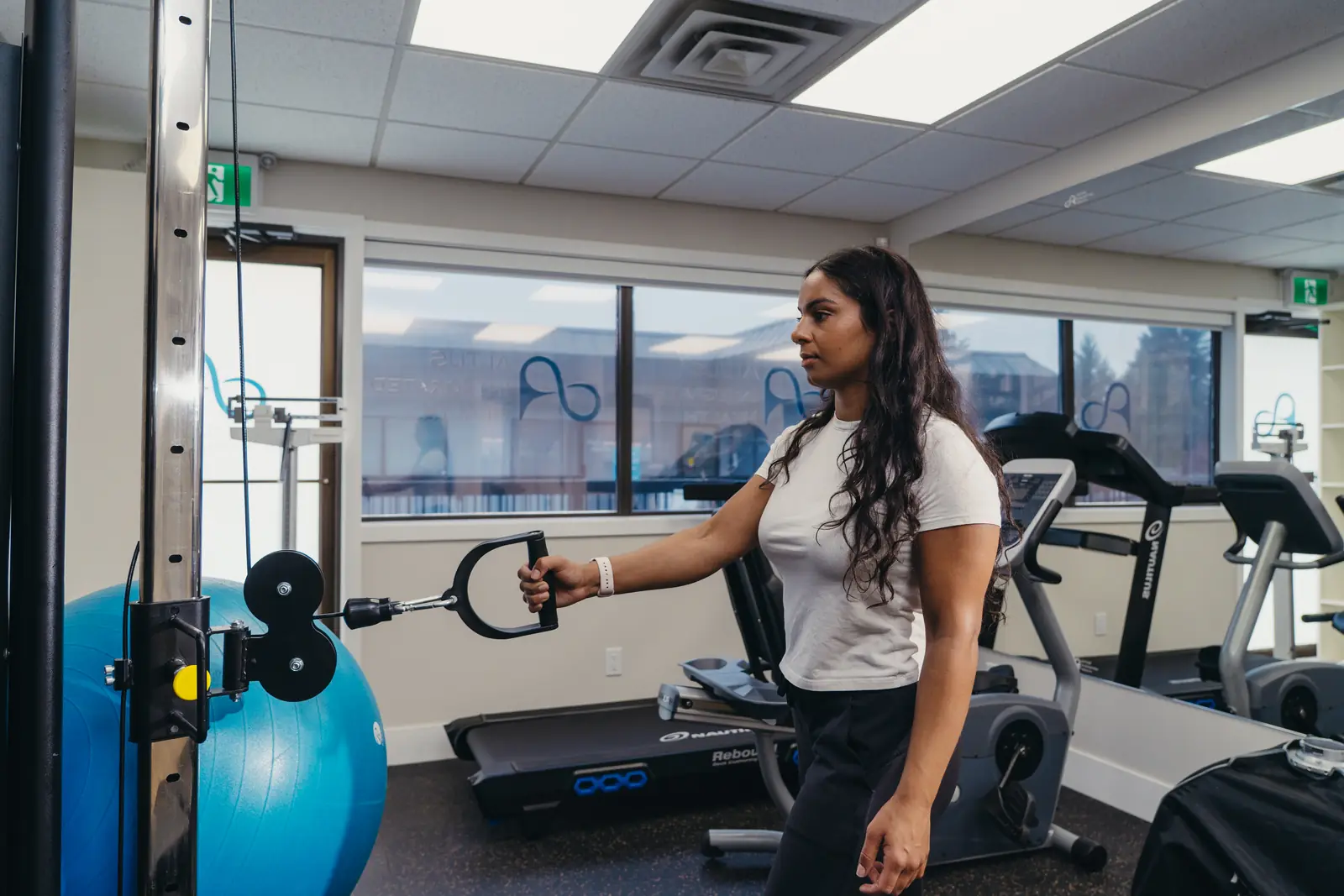
A home exercise program matched to your goals, progressed at each visit as your strength and control improve.
Dry needling and IMS
A thin needle placed into tight or sensitive muscle, performed by physiotherapists with the extra training it requires.
About IMSLaser, shockwave and ultrasound
In-house modalities used alongside hands-on care and exercise when your assessment points to them.
Your first visit
What happens when you book
-
01
Book online or call
No referral needed. Not sure who to see? Our front desk helps match you with the right physiotherapist.
-
02
Assessment and plan
Your first visit takes about 40 to 45 minutes: your history, a physical assessment, a shorter treatment, and a plan you agree on together.
-
03
Treatment and home program
Hands-on care in the clinic, exercises between visits, and progress reviewed every time you come in.
Feeling a little sore for 24 to 48 hours after the first visit is common. Assessment tests the movements that hurt, and your body is being moved in ways it isn't used to.
"The most important thing is: have they improved their function?"

Our team
Our physiotherapists
Six registered physiotherapists work across our McCallum Road and Ventura Avenue clinics.
-
An Luu
Physiotherapist, co-ownerMPT (UBC); BKin (UFV), Dean's Medal
-
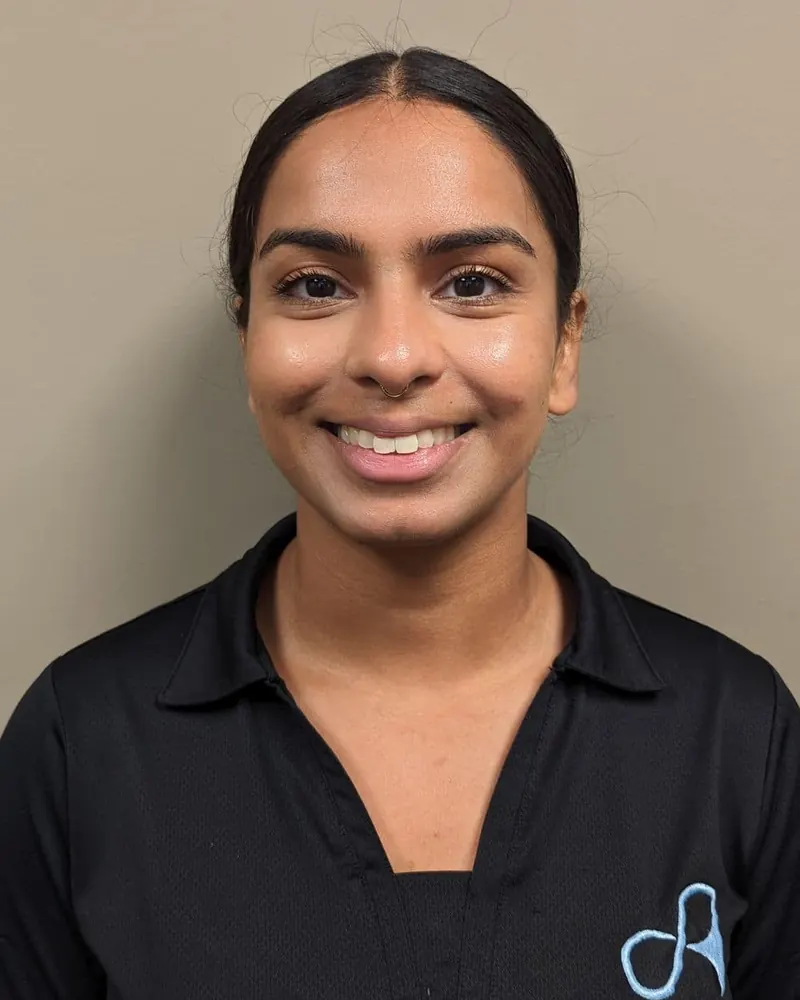 Nikkie Brar
PhysiotherapistMSc Physiotherapy (University of Brighton); BSc (SFU)
-
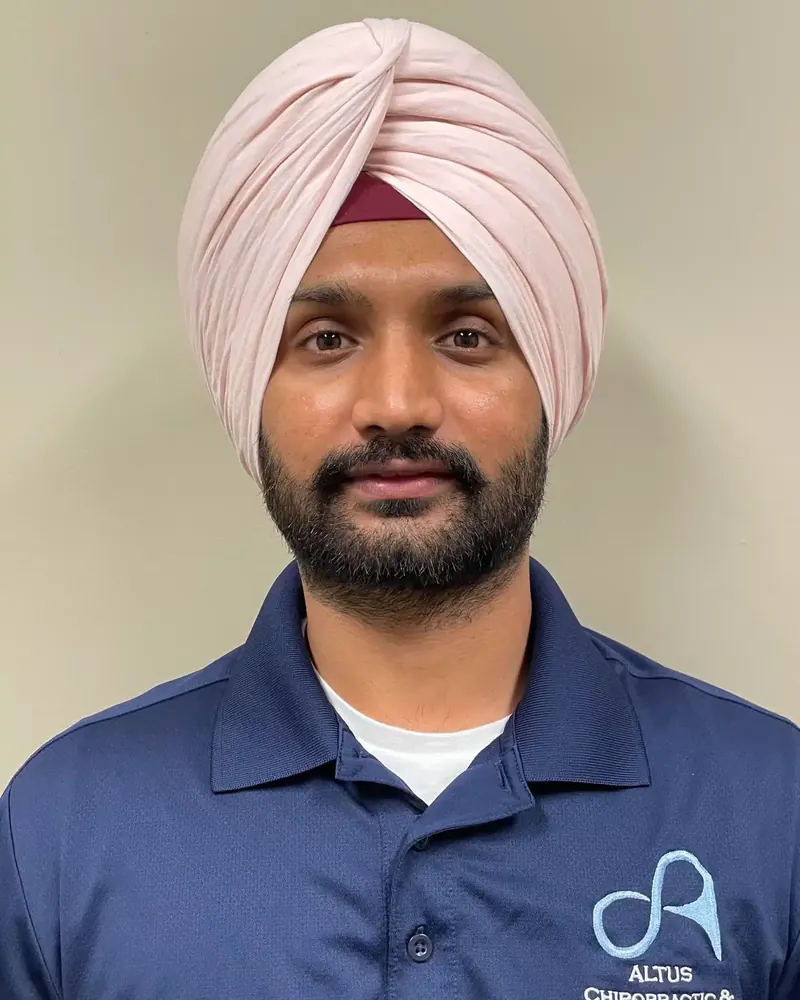 Harmanjeet Singh
PhysiotherapistMulligan, Maitland and McKenzie methods
-
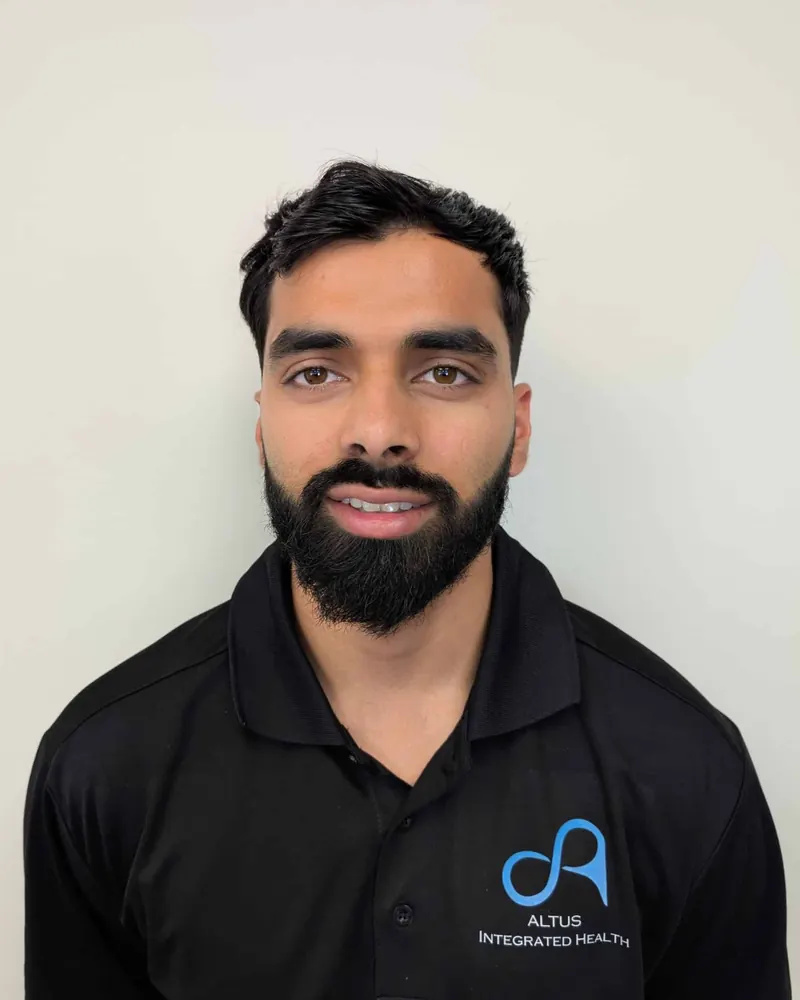 Tarnjit Bagri
PhysiotherapistMaster of Physiotherapy (University of Sydney); BKin (UFV)
-
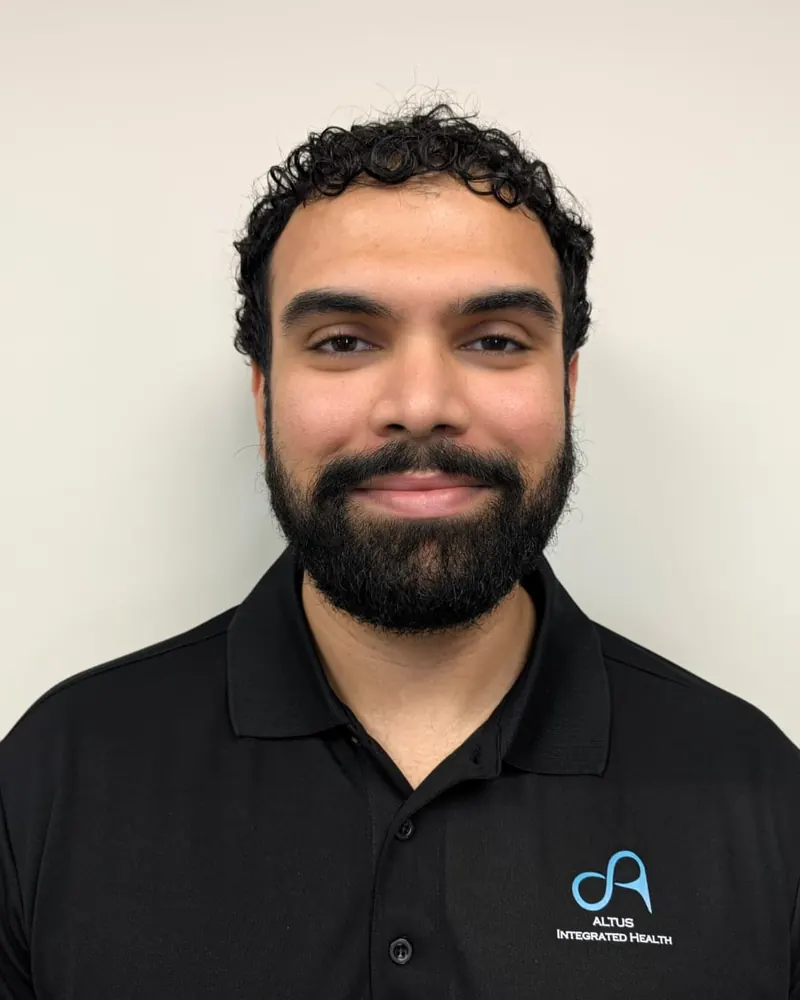 Manvir Samra
PhysiotherapistMPT (UBC); BSc (UFV); Orthopaedic Division Level 1
-
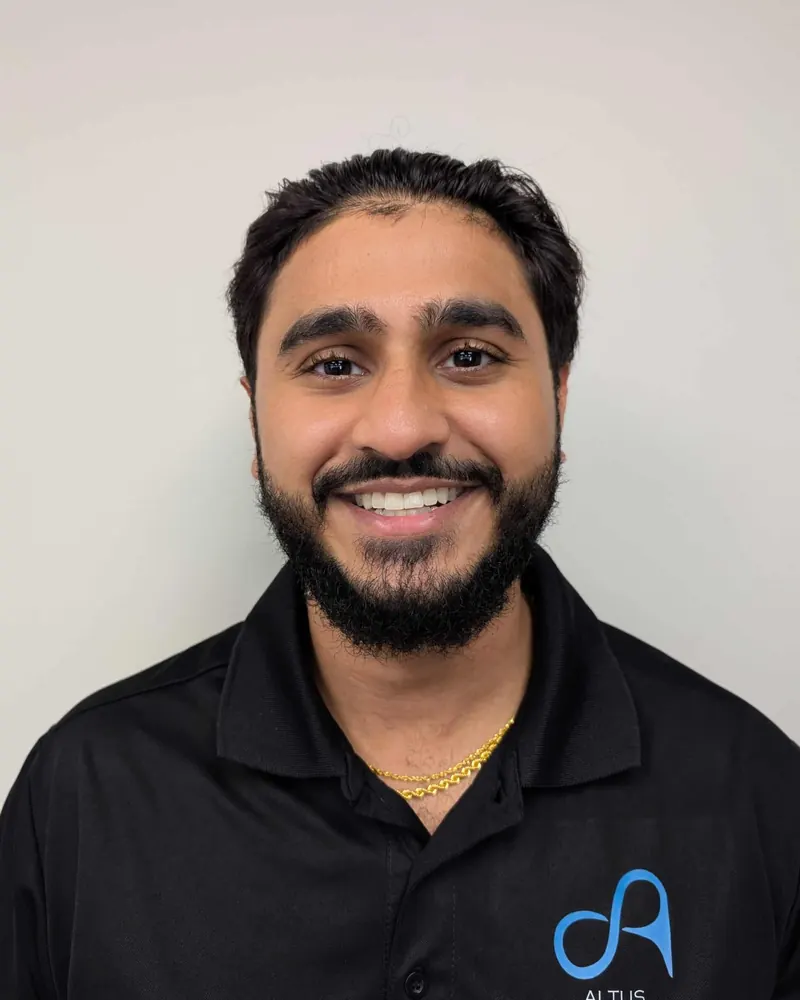 Ranvir Sandhu
PhysiotherapistDoctor of Physiotherapy (Bond University); BKin (UFV)
Patient Reviews
What our patients are saying
"I love the new clinic here at McCallum! Nikki is such a great help to me, I recommend her big time!"
"I have been struggling with back and neck pain for years. I have seen many different chiropractors and doctors but none of them were able to resolve my problem. ALTUS has helped me tremendously."
"They took the time to learn more about me and my lifestyle."
FAQs
Physiotherapy questions
What does a physiotherapist do?
A physiotherapist assesses how an injury or condition limits your movement, then treats it with hands-on techniques, targeted exercise and education. The goal is restored function, such as walking, lifting, working and playing sport with less difficulty, plus a home program that keeps progress going.
Do I need a referral to see a physiotherapist in BC?
No. Physiotherapy in BC is direct access, so you can book without a doctor's referral. Some extended health plans ask for a referral before they reimburse claims, so check your plan's wording before your first visit.
What happens at the first physiotherapy appointment?
It starts with a conversation about the problem, then a physical assessment of your movement, strength and sensation. Your physiotherapist explains the likely cause, starts a shorter treatment and agrees a plan with you. A first physio visit at Altus runs about 40 to 45 minutes.
Is it normal to be sore after physiotherapy?
Yes. Mild soreness for 24 to 48 hours after a first visit is common, because the assessment tests the painful movements and treatment works your tissues in unfamiliar ways. If soreness keeps building past two days, or you notice new numbness or weakness, call the clinic.
How many physiotherapy sessions will I need?
It depends on the injury, how long you've had it and how consistently you do your home program. Recent injuries usually need fewer visits than problems that have lasted months. Your physiotherapist gives you a realistic estimate after the first assessment and adjusts it as you progress.
Do you direct bill for physiotherapy?
Yes. We direct bill most major insurance providers for eligible plans, and we bill ICBC and WorkSafeBC on your behalf for accepted claims. Our front desk can help you check your coverage before your visit.
Technical detail
How Physiotherapy Works: From Assessment to Return to Activity
Physiotherapy is a regulated health profession that assesses and treats problems with movement and physical function. A physiotherapist identifies how an injury, condition or surgery limits the body, then combines manual therapy, exercise-based rehabilitation, education and selected modalities to restore that function. In British Columbia, physiotherapists register with the College of Health and Care Professionals of BC (CHCPBC), and the public can book them directly without a doctor's referral. The physiotherapy assessment sets the direction of care, the treatment plan organizes it, and the home exercise program carries it between visits. The measure of success sits in daily function: stairs, lifting, sleep, work and sport.
The Physiotherapy Assessment
The physiotherapy assessment determines every later decision in care, so it comes first and takes the most time. A first physiotherapy visit at Altus Integrated Health runs about 40 to 45 minutes, most of it spent on assessment.
The assessment follows a set order:
- Subjective history. The physiotherapist records when and how the problem started, what aggravates and eases it, past injuries, work and sport demands, and the patient's goals.
- Physical examination. The physiotherapist observes posture and movement, then tests the affected region and the regions above and below it.
- Range-of-motion testing. Joint movement gets measured in degrees and compared side to side.
- Strength testing. Resisted tests grade muscle strength and reveal which movements reproduce pain.
- Neurological screen. Where symptoms travel into an arm or leg, sensation, reflexes and strength get checked to identify nerve involvement.
The assessment produces a provisional diagnosis rather than a final one. A first visit does not always confirm the exact source of a problem; it does narrow it to a working explanation, rules out signs that need a doctor, and sets function-focused goals. Deliberately reproducing symptoms during testing explains why mild soreness often follows a first visit. The physiotherapist and patient then agree a shared treatment plan built on the findings.
Hands-On Treatment in Physiotherapy
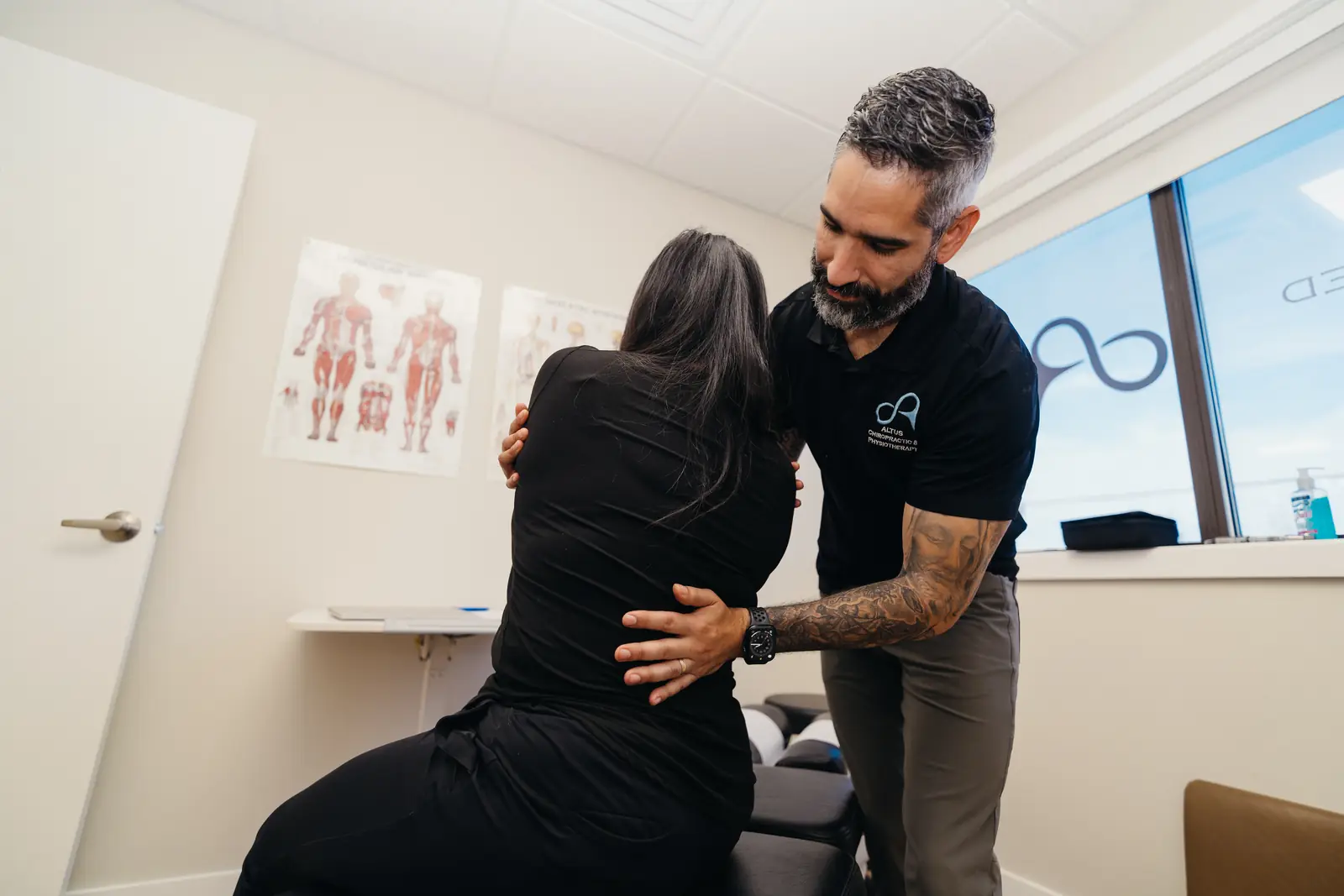
Hands-on treatment connects the assessment findings to immediate changes in movement. Manual therapy covers techniques the physiotherapist applies directly to joints and soft tissue.
- Joint mobilization moves a stiff joint through graded, controlled oscillations. The Maitland approach grades mobilizations by amplitude and position in the joint's range.
- Mulligan Concept mobilizations combine a sustained glide from the physiotherapist with an active movement from the patient.
- The McKenzie Method (mechanical diagnosis and therapy) uses repeated movements to classify spinal and limb problems by how symptoms respond.
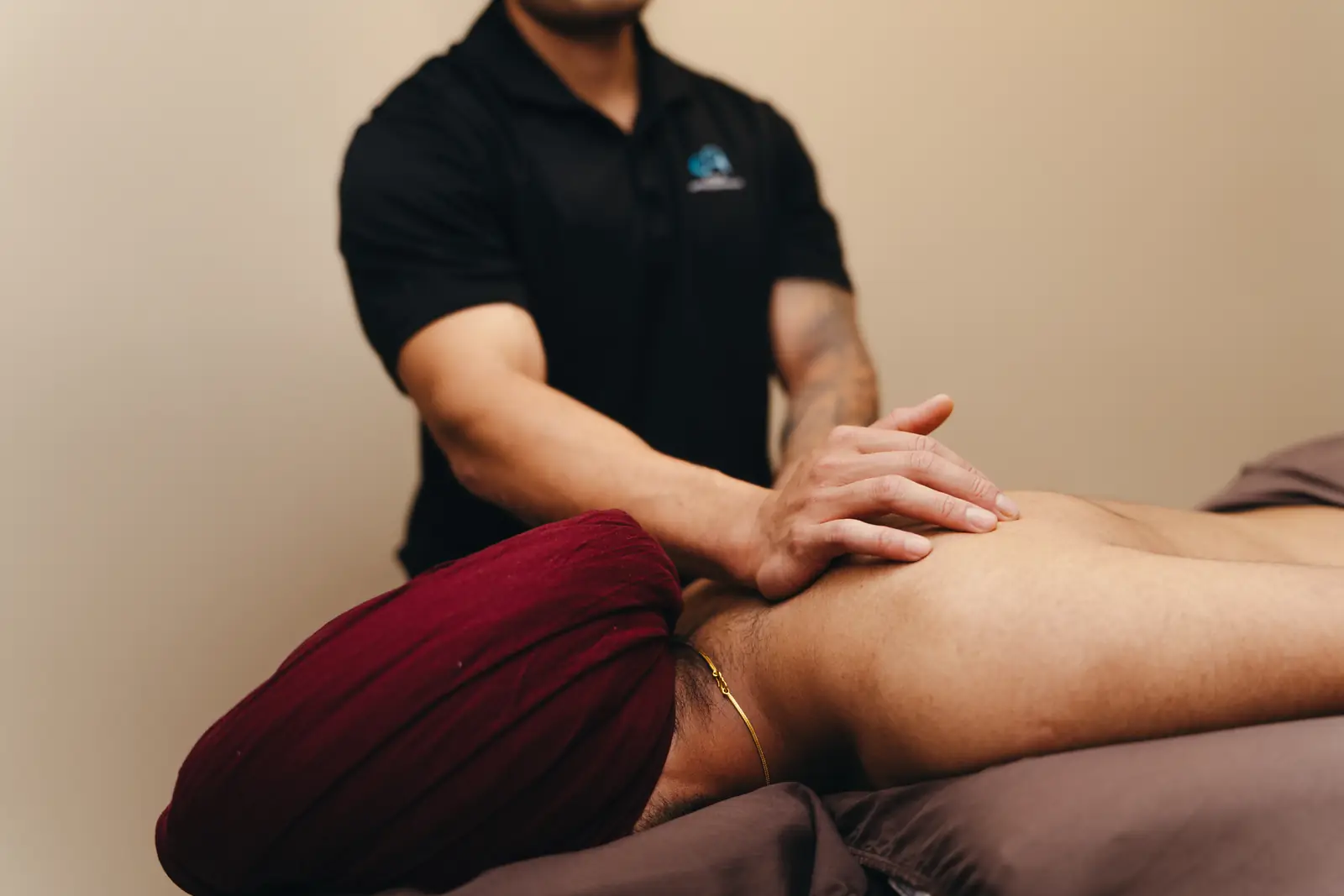
- Soft-tissue release applies pressure and stretch to tight or irritable muscle and fascia.
- Kinesiology taping supports a region and gives sensory feedback during movement.
Intramuscular stimulation (IMS) and dry needling place a thin, solid needle into a shortened or sensitive muscle. IMS requires additional post-graduate training, and physiotherapists in BC perform it within their scope of practice.
Technique choice depends on tissue irritability, patient comfort and the assessment findings. Pressure and session time adjust to each response. Hands-on treatment rarely stands alone: it opens a window of easier movement that exercise then reinforces.
Active Rehabilitation and the Home Exercise Program
Active rehabilitation turns short-term improvement into lasting capacity. Therapeutic exercise loads tissues progressively so they tolerate the demands of daily life again.
Exercise prescription follows a dosage: sets, repetitions, load and frequency. Progression raises that dosage as tolerance grows. Specificity matters: a rotator cuff strengthening program differs from core stabilization work for the lumbar spine, and both differ from the staged progressions used in ACL rehabilitation or after a knee or hip replacement.
Vestibular rehabilitation applies the same principle to balance and dizziness. Graded eye, head and balance exercises retrain the systems that keep the body oriented, and they form part of concussion rehabilitation.
The home exercise program extends care beyond the clinic. A physiotherapist sees a patient for a fraction of each week, so most progress happens through the home program in between. Adherence predicts much of the outcome; a patient who stops exercising once pain eases keeps the underlying weakness that started the problem. Return-to-activity planning closes the loop by mapping the steps back to work, sport or daily tasks.
Modalities as Adjuncts to Active Care
Modalities supplement hands-on treatment and exercise rather than replace them. Each modality has a specific indication, set parameters and a defined treatment time.
- Low-level laser applies light energy to superficial tissue.
- Extracorporeal shockwave therapy delivers acoustic pulses to tendons and their attachments, commonly in persistent tendon problems.
- Therapeutic ultrasound uses high-frequency sound waves on soft tissue.
- Electrical stimulation, including TENS, uses current to influence pain signalling or muscle activation.
The evidence base differs between modalities, and physiotherapists weigh it when choosing one. In modern practice a modality earns its place when it helps a patient move or exercise more effectively; it does not substitute for assessment, manual therapy or a structured program. Altus Integrated Health offers laser, shockwave, therapeutic ultrasound, electrotherapy and dry needling in-house, performed by a physiotherapist or chiropractor. Spinal decompression and mechanical traction are not offered.
Regulation, Referral and Coverage
Physiotherapy in BC operates as a regulated, direct-access profession. Physiotherapists register with the College of Health and Care Professionals of BC (CHCPBC), which sets practice and advertising standards and handles public complaints.
Direct access means a patient books a physiotherapist without a doctor's referral. Payment routes vary:
- Extended health benefits cover physiotherapy under many employer and private plans, up to plan limits. Some plans require a referral for reimbursement even though the profession does not.
- Direct billing sends the claim straight to the insurer for eligible plans, so the patient pays only any portion the plan does not cover.
- ICBC funds treatment after a motor vehicle crash under its Enhanced Care model, including a set of pre-approved physiotherapy visits early in recovery.
- WorkSafeBC funds physiotherapy for accepted workplace injury claims.
Eligibility and limits depend on the plan or claim, so checking coverage before the first visit avoids surprises.
Key facts
Physiotherapists Assess Movement And Function Before Choosing A Treatment
Treatment choice follows assessment because the same symptom has different causes. Shoulder pain, for example, arises from the rotator cuff, the neck, the shoulder joint capsule or the way the shoulder blade moves. Each cause calls for a different approach. Assessing range of motion, strength and the movements that reproduce pain lets the physiotherapist match treatment to cause rather than to the location of pain.
A Home Exercise Program Carries The Work Between Visits
The home exercise program holds the gains made in the clinic. Hands-on treatment changes how a joint or muscle moves for hours or days; exercise changes what the tissue tolerates over weeks. A short, specific program done consistently outperforms a long list done occasionally. Physiotherapists progress the program at each visit as strength and control improve.
Pain That Lasts Beyond Three Months Is Classed As Chronic
Clinicians class pain lasting longer than three months as chronic. The timing matters because tissues heal on a broadly predictable schedule, and pain that outlasts it reflects added factors such as deconditioning, altered movement habits and a more sensitive nervous system. Chronic problems typically take longer to resolve than recent ones. ICBC's emphasis on early treatment after a crash reflects the same principle: treating in the acute phase gives the best chance of a quicker recovery.
Physiotherapists In BC Are Regulated Health Professionals
Physiotherapists in BC practise under regulation by the College of Health and Care Professionals of BC. Registration requires accredited education and ongoing standards of practice. The college also governs how physiotherapists advertise, requiring claims that are accurate and verifiable and barring guarantees of results. The public can confirm a physiotherapist's registration through the college's register.
Physiotherapy In BC Does Not Require A Doctor's Referral
Physiotherapy in BC operates as a direct-access service. A patient books an assessment without first seeing a physician. A referral still plays a role in two situations: some extended health plans require one before reimbursing claims, and a physiotherapist refers a patient on to a physician when assessment findings fall outside physiotherapy's scope.
Common Misconceptions About Physiotherapy
Misconception: Physiotherapy Is Only Machines, Heat And Exercises On Your Own
Physiotherapy combines assessment, hands-on treatment and guided exercise delivered by a registered physiotherapist. Manual therapy, mobilization and soft-tissue work form a core part of many sessions. Machines and heat play a supporting role at most, and a session built only around them leaves out the parts of care with the strongest rationale.
Misconception: Feeling Better After One Visit Means Treatment Is Finished
Early relief and full recovery differ. Tissues regain strength and tolerance over weeks rather than in one session. Stopping as soon as pain eases leaves the underlying weakness in place, which is a common reason the same problem returns months later.
Misconception: Physiotherapy Is Only For People Recovering From Surgery
Post-operative rehabilitation forms one part of physiotherapy. Physiotherapists also treat sports injuries, back and neck pain, shoulder problems, headaches that start in the neck, dizziness, and injuries from work or car crashes, with no surgery involved.
Misconception: Pain Will Settle On Its Own If You Wait Long Enough
Some minor strains settle with time. Problems that persist past a few weeks, especially with numbness, tingling or weakness, tend to grow harder to treat the longer they continue. Pain beyond three months is classed as chronic and usually takes longer to resolve than a recent injury.
Misconception: Exercises Are Optional If The Hands-On Treatment Worked
Hands-on treatment improves movement in the short term. Exercise builds the strength and control that hold that improvement in place. Skipping the home program after symptoms ease removes the part of care that prevents recurrence.
Ongoing Debates in Physiotherapy
Manual therapy versus exercise as the core of care. One group of clinicians treats hands-on techniques as the centre of physiotherapy, citing their immediate effect on pain and movement. Another group places exercise and education first and positions manual therapy as a support that makes exercise possible. Most current practice blends the two, with the balance set by the patient's stage of recovery.
The role of passive modalities. Proponents value laser, ultrasound and electrical stimulation as useful adjuncts for specific indications. Critics point to limited or mixed evidence for some passive modalities and argue that treatment time produces more benefit when spent on active care. The debate shapes how heavily clinics rely on them.
Pain or function as the primary outcome. Some practitioners track pain intensity as the main measure of progress. Others prioritise function, arguing that pain ratings fluctuate and that regained ability, such as climbing stairs, reflects recovery more reliably.
Dry needling and its evidence base. Supporters report short-term reductions in muscle pain and sensitivity from dry needling and IMS. Sceptics call for stronger long-term trials before treating it as a first-line approach.
Imaging for back pain. Some argue early imaging guides care and reassures patients. Guideline-led clinicians reserve imaging for red-flag signs and progress care without it, noting that many imaging findings appear in people without pain.
Components of Physiotherapy
Physiotherapy care assembles from several parts that depend on one another. The subjective history forms a component of the physiotherapy assessment, supplying the timeline, aggravating factors and goals that direct the physical examination. The assessment in turn feeds the treatment plan, and the home exercise program forms a component of that plan, carrying progress between visits. Within hands-on treatment, joint mobilization serves as a component of manual therapy, alongside soft-tissue release and taping. Anatomy organizes the work too: the rotator cuff forms a component of the shoulder joint complex, so shoulder rehabilitation addresses the cuff, the shoulder blade and the neck together rather than the painful spot alone. Vestibular exercises form a component of concussion rehabilitation, retraining balance and gaze stability. Each part has a defined role, and removing one, most often the home program, weakens the whole.
Summary
Physiotherapy assesses and treats limitations in movement and function through a structured sequence: assessment, hands-on treatment, active rehabilitation and, where indicated, modalities. In British Columbia, physiotherapists practise as regulated health professionals under the College of Health and Care Professionals of BC, and the public accesses them without a referral. Treatment follows assessment because the same symptom has different causes, and the home exercise program carries the work between visits. Recovery is measured by regained function in daily life.
More care at Altus
Care that works alongside it
Directions
Two Abbotsford clinics
McCallum Road Clinic
Altus Integrated Health
2168 McCallum Rd #8Abbotsford, BC V2S 6R6
- Mon to Fri9:00 am to 6:00 pm
- Sat and SunClosed
Ventura Avenue Clinic
Altus Chiropractic and Physiotherapy
32920 Ventura Ave #101Abbotsford, BC V2S 6J3
- Mon to Fri9:00 am to 6:30 pm
- Sat9:00 am to 1:00 pm
- SunClosed