

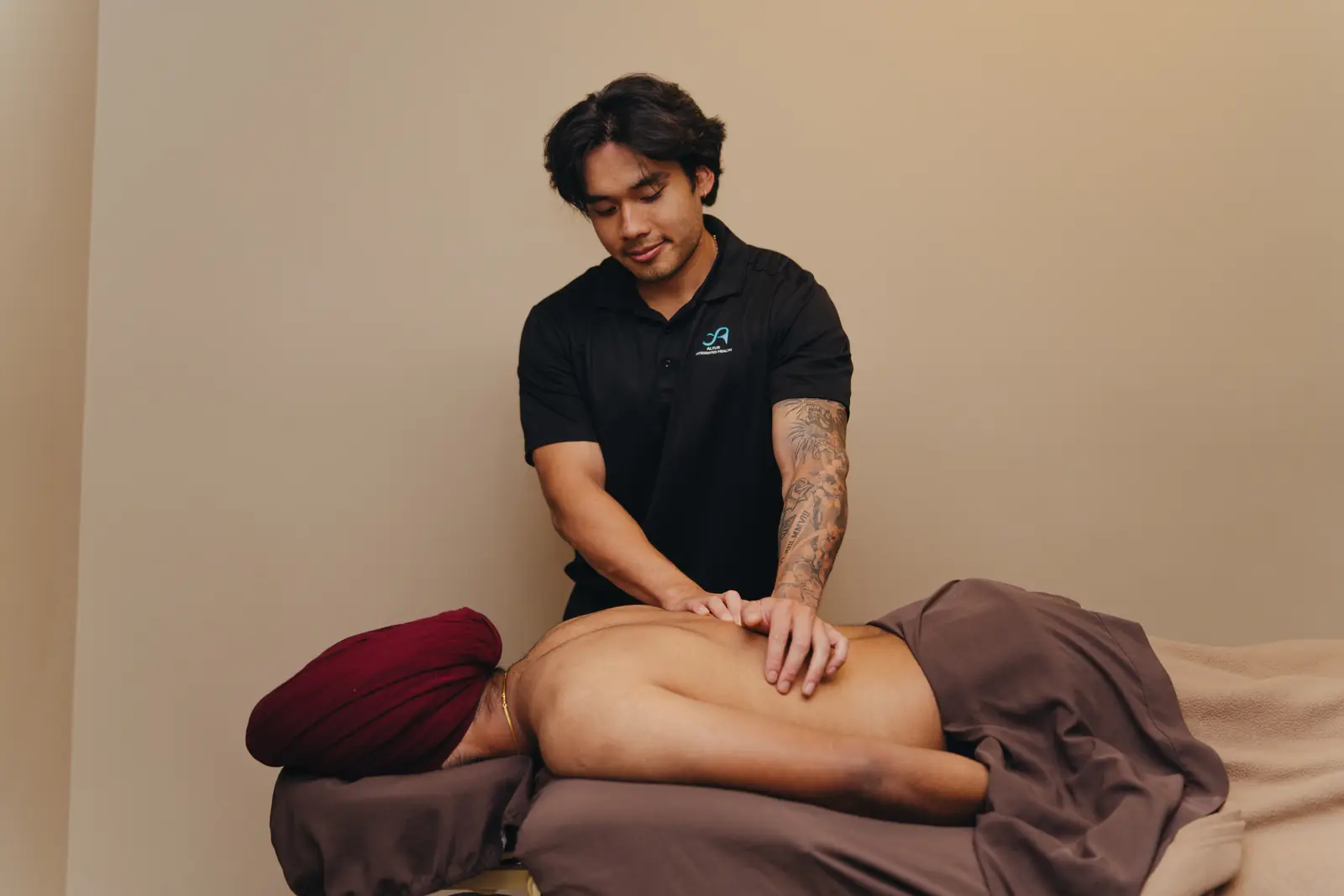
Registered massage therapy · Abbotsford, BC
Massage therapy in Abbotsford
Registered massage therapy (RMT) at two Abbotsford clinics: an assessment first, then hands-on treatment for muscle tension and soft-tissue pain, at a pressure you choose.
- Four RMTs across McCallum Road and Ventura Avenue.
- Direct billing for eligible extended health plans.
- ICBC billed directly for massage after a crash.
- No referral needed. Book online or by phone.
Massage therapy at Altus
When tight muscles start running your day
Shoulders that creep up toward your ears by mid-afternoon. A lower back that tightens after a long shift. Headaches that seem to start in your neck. Muscle tension builds slowly, and it often hangs on long after whatever started it.
Our registered massage therapists start by finding out where the tension is coming from: your history, your posture and how you move. Then they treat it with hands-on techniques chosen for you, and suggest what to do between visits.
They work in the same clinics as our physiotherapists, chiropractors and kinesiologist. If another practitioner would help, they talk to them about your care first.
What we commonly see
What our massage therapists treat
These are the problems that bring people to our massage therapists most often.
Neck and shoulder tension
Tight, aching muscles through the neck, shoulders and upper back, from desk work, driving, stress or sleep.
Back pain and sciatica
Tension and soft-tissue pain in the lower back and hips, including when pain travels into the leg.
Headaches
Headaches linked to tight muscles in the neck, shoulders and jaw.
Sports injuries and sprains
Sports massage, plus treatment for muscle strains, sprains and overworked muscles, alongside your training or rehab.
Pregnancy and after birth
Prenatal and postnatal massage, positioned for comfort at each stage.
Prenatal massageAfter a car crash
Muscle tension and soft-tissue pain after a crash, with ICBC billed directly.
ICBC treatmentOur approach
Treatment built around what we find
Your RMT chooses techniques from the assessment and adjusts them as you go. You decide which areas are treated, and you can change the pressure at any time.
Book Massage TherapySwedish and deep tissue massage
Long, flowing strokes for general tension, and slower, deeper pressure for tight, deeper muscle layers. Deep tissue massage is offered by Van, David and Andrew.
Myofascial and trigger point work
Slow, sustained pressure on tight fascia, and focused pressure on tender spots that refer pain elsewhere.
Joint mobilization and Active Release
Gentle joint movement for stiffness, and pressure combined with movement for tight muscles.
Lymphatic drainage and hot stone
Very light, rhythmic strokes for swelling, and heated stones that add warmth to the treatment.
Your first visit
What happens when you book
-
01
Book online or call
No referral needed. If it's for an ICBC claim, or you'd like prenatal, lymphatic or hot stone massage, let us know.
-
02
Assessment
Your RMT reviews your health history, checks your posture and movement, and explains what they'd like to treat.
-
03
Treatment and home care
Hands-on treatment with your consent and under a sheet, then stretches or self-care to keep going between visits.
Feeling a little tender for a day or two after firmer work is common, especially in areas that were tight.
Our team
Our registered massage therapists
Four registered massage therapists work across our McCallum Road and Ventura Avenue clinics.
-
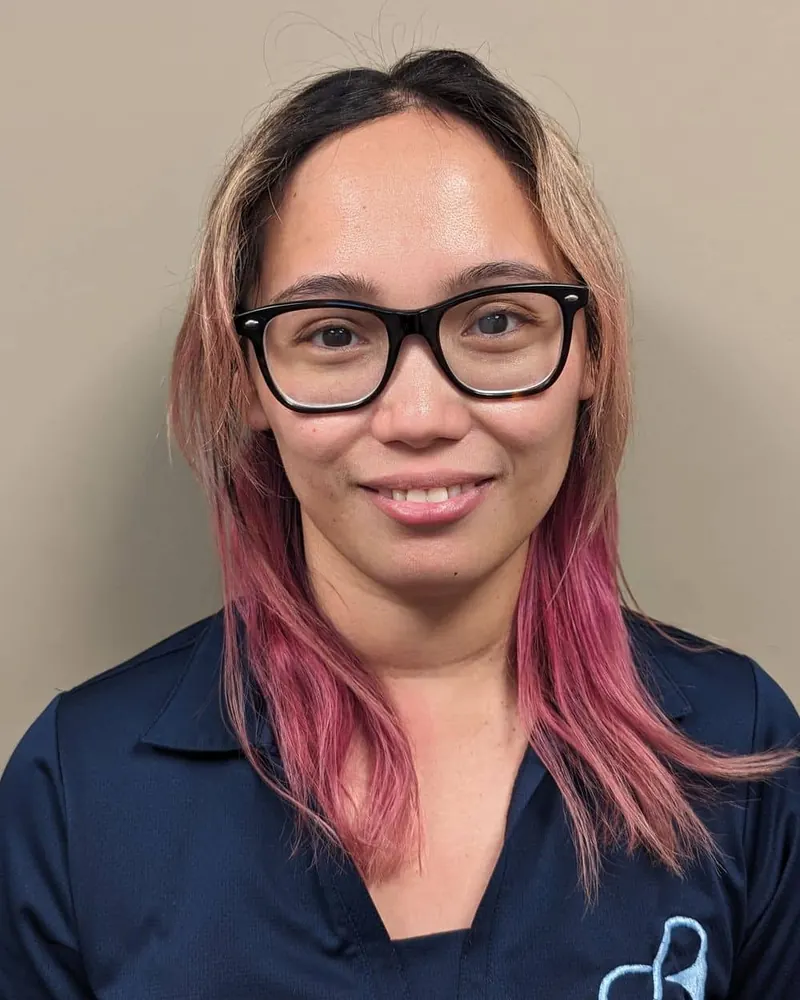 Zarah Jamoralin
Registered Massage TherapistRMT, West Coast College of Massage Therapy (2021)
-
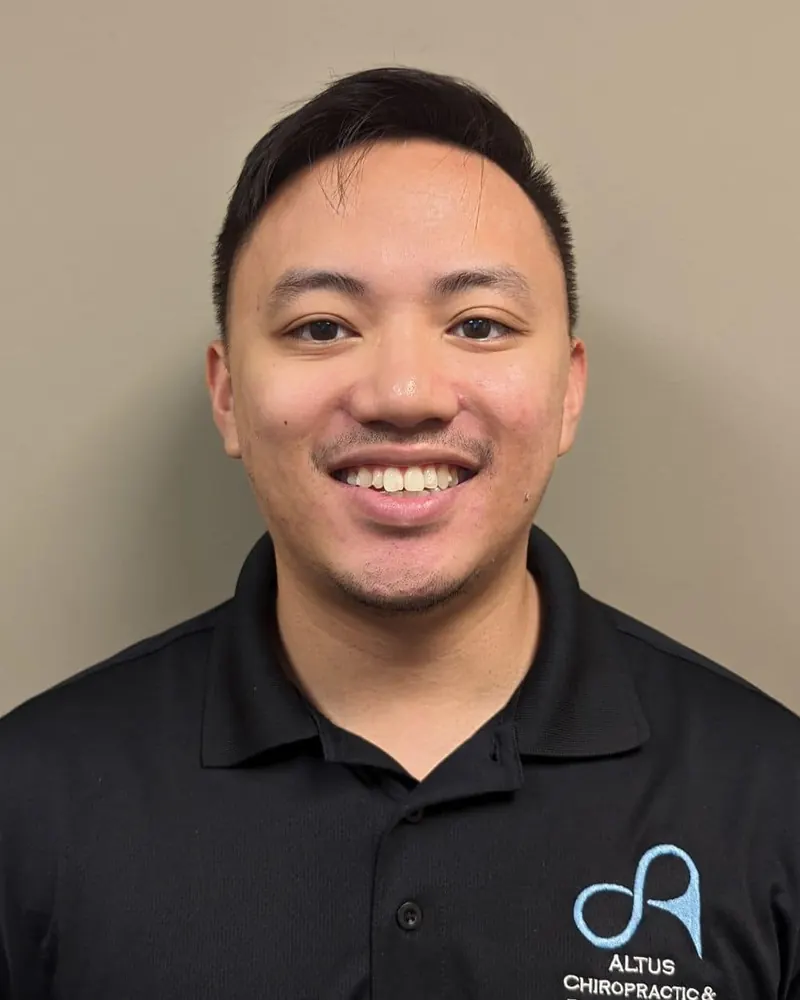 Van Ngo
Registered Massage TherapistRMT, CDI College (2021); Rehabilitation Therapy Assistant diploma
-
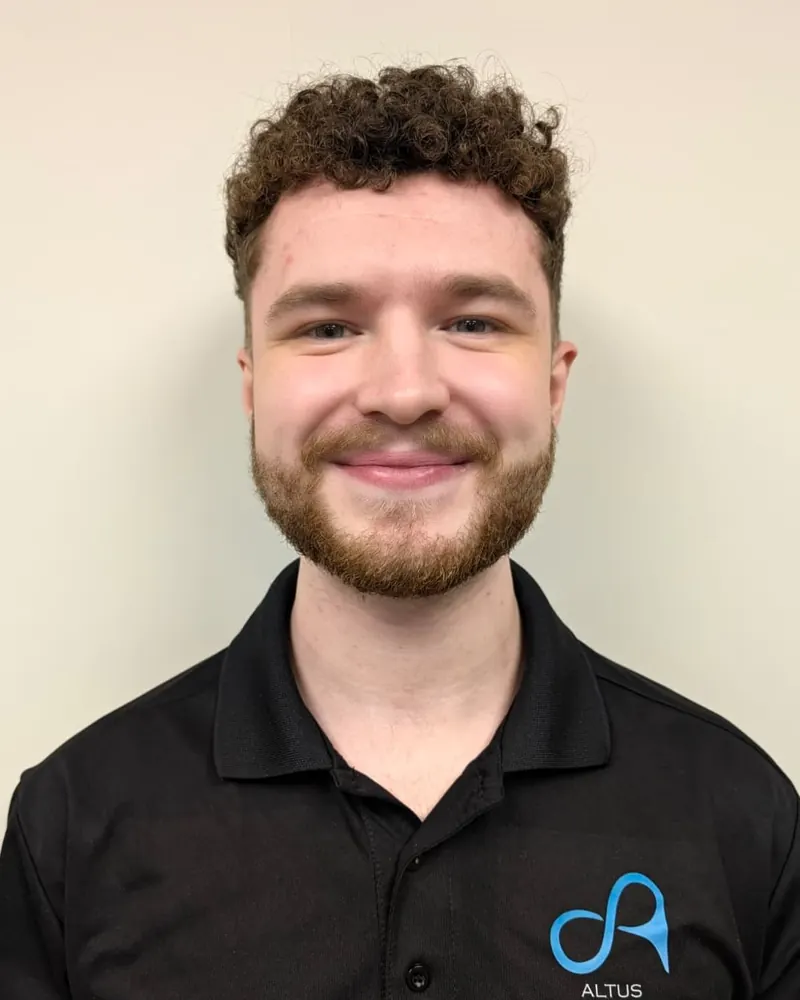 Andrew Keeton
Registered Massage TherapistRMT, West Coast College of Massage Therapy
-
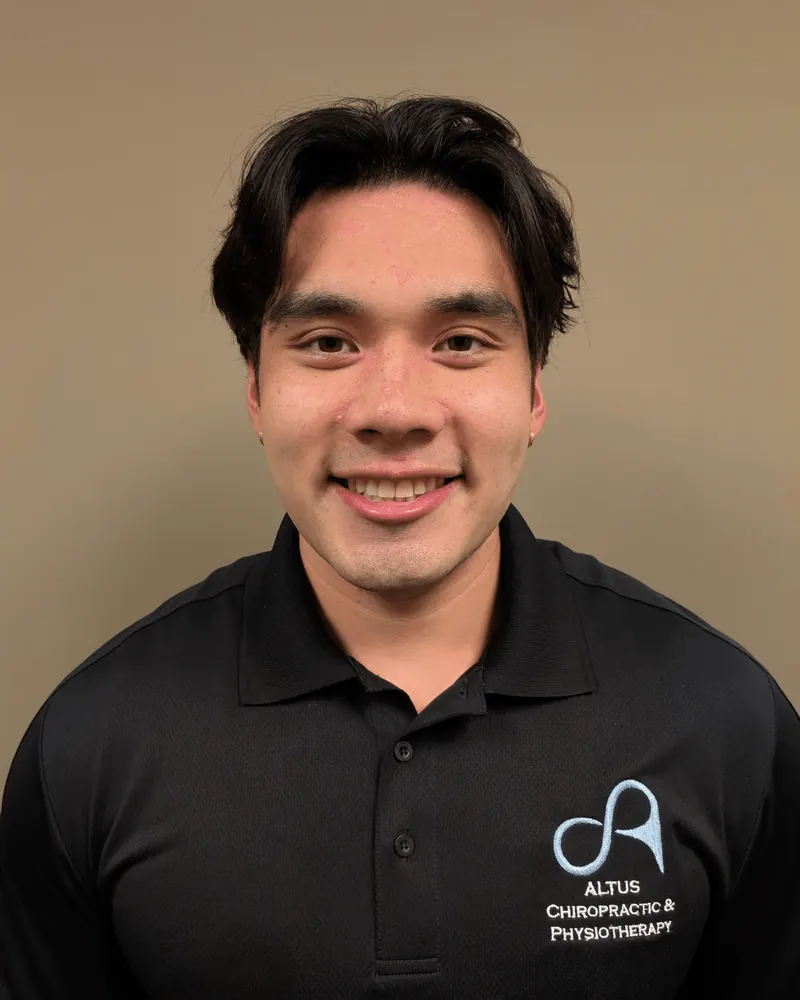 David Vo
Registered Massage TherapistRMT, West Coast College of Massage Therapy
Patient Reviews
What our patients are saying
"I've been going to ALTUS Ventura for years for physio, chiropractic care, and massage therapy, and I've always had a great experience. The staff are professional, caring, and knowledgeable. A special shout-out to the front desk team, they are always friendly and do an amazing job with appointment reminders by email, text, and phone. Their customer service is outstanding. Highly recommend!"
"I have been struggling with back and neck pain for years. I have seen many different chiropractors and doctors but none of them were able to resolve my problem. ALTUS has helped me tremendously."
"They took the time to learn more about me and my lifestyle."
FAQs
Massage therapy questions
Do you direct bill for massage therapy?
Yes. We direct bill 21 extended health insurers for eligible plans, including Pacific Blue Cross, Manulife, Canada Life, Sun Life and GreenShield. We also bill ICBC directly for massage after a crash. See every insurer we bill.
What is an RMT?
A registered massage therapist (RMT) is a regulated health professional who assesses and treats the muscles, fascia, tendons and ligaments. In BC, RMTs register with the College of Complementary Health Professionals of BC. Registration is what makes treatment eligible under most extended health plans.
Do I need a referral for massage therapy?
No. You can book an RMT directly. Some extended health plans ask for a doctor's referral before they reimburse massage therapy, so check your plan's wording before your first visit.
Does ICBC cover massage therapy?
Yes. ICBC pre-approves up to 12 registered massage therapy sessions in the first 12 weeks after a crash, with no referral needed. We bill ICBC directly. Your first ICBC massage visit is fully covered; later visits carry a user fee, confirmed when you book. More about ICBC treatment.
Do you offer deep tissue and sports massage?
Yes. Van, David and Andrew offer deep tissue and sports massage, and Zarah offers hot stone massage. Your RMT adjusts the pressure to you, and deeper isn't always better: you can ask for lighter or firmer pressure at any point.
What should I wear to a massage appointment?
Wear something comfortable. You only undress to the level you're comfortable with, your RMT leaves the room while you do, and a sheet covers you throughout except for the area being treated. Some techniques work well over loose clothing if you'd rather stay dressed.
Is it normal to be sore after a massage?
Mild tenderness for a day or two after firmer work is common, especially where muscles were tight. It usually eases with gentle movement. Tell your RMT during the session if the pressure is too much, and they'll adjust it.
Do you offer prenatal massage?
Yes. Zarah, one of our registered massage therapists, provides prenatal massage, and we offer postnatal massage too. More about prenatal massage.
Technical detail
How Registered Massage Therapy Works: Assessment, Techniques and Coverage
Registered massage therapy is a regulated health profession that assesses and treats the soft tissues and joints of the body: muscles, fascia, tendons and ligaments. A registered massage therapist (RMT) takes a health history, assesses posture and movement, and then uses hands-on techniques such as Swedish massage, myofascial release, trigger point therapy and joint mobilization to address muscle tension and soft-tissue pain. In British Columbia, RMTs register with the College of Complementary Health Professionals of BC (CCHPBC), and clients can book them directly without a referral. Registration is what makes massage therapy eligible under most extended health plans, under ICBC after a crash, and under MSP supplementary benefits for eligible people. At Altus Integrated Health, four RMTs provide massage therapy alongside the clinic's physiotherapists, chiropractors and kinesiologist.
The Massage Therapy Assessment
Treatment starts with an assessment, because the same tight shoulder can come from posture, an old injury, work demands or stress, and each calls for a different approach.
The assessment follows a set order:
- Health history. The RMT reviews an intake form covering current symptoms, past injuries and surgeries, medical conditions, medications, pregnancy, and the client's goals.
- Posture and movement. The RMT observes how the client stands and moves, and compares one side with the other.
- Range of motion. Active and passive movement tests show which joints and muscles are restricted and which movements reproduce the pain.
- Palpation. The RMT feels the tissues for tension, tenderness, temperature and texture, including taut bands and trigger points.
- Plan and consent. The RMT explains the findings, proposes which areas to treat and how, and asks for the client's consent before starting.
The assessment also screens for reasons to modify or avoid massage, such as a recent blood clot, an infection, a fever, an unhealed injury, or certain stages of a medical treatment. When something falls outside massage therapy, the RMT suggests another practitioner or a doctor.
Clothing and draping follow professional standards. Clients undress only to the level they are comfortable with, and the RMT leaves the room while they do. A sheet covers the body throughout, and only the area being treated is uncovered. Some techniques, such as joint mobilization and Active Release Techniques, work well over loose clothing, and clients who prefer to stay dressed can say so. Before treating any sensitive area, the RMT explains why and asks for specific consent.
Massage Therapy Techniques
RMTs choose techniques from the assessment and adjust them to the client's comfort and response. The RMTs at Altus Integrated Health list the following among the techniques they use.
- Swedish massage. Long, flowing strokes (effleurage), kneading (petrissage) and rhythmic movements ease general muscle tension and form the base of many treatments.
- Myofascial release. Sustained, slow pressure and stretch work on the fascia, the connective tissue that wraps muscles, where it feels restricted.
- Trigger point therapy. Focused pressure on a trigger point, a tender spot within a tight band of muscle that can refer pain elsewhere, such as from the upper shoulder to the head.
- Joint mobilization. Gentle, controlled movements of a joint through its range help where stiffness limits movement.
- Active Release Techniques (ART). The RMT holds tension on a muscle while the client moves it, combining pressure with movement.
- Deep tissue massage. Slower strokes and sustained, deeper pressure work on the deeper layers of muscle and fascia, adjusted to what the client can tolerate. At Altus, Van Ngo, David Vo and Andrew Keeton offer deep tissue massage.
- Sports massage. Massage matched to training and competition: preparing muscles before activity, recovery after it, and work around sport-related strains. Van, David and Andrew offer sports massage.
- Soft tissue therapy. A general term for hands-on work on muscles, tendons and ligaments, matched to the area and the problem.
Pressure ranges from light to firm. Firmer work is not automatically better: tissue that is braced against pain resists treatment, so RMTs check in throughout and adjust. The client decides which areas are treated and can change the pressure, or stop, at any point.
Specialised Massage Services
Some services meet specific needs and are provided by particular RMTs.
Prenatal and postnatal massage. Massage during pregnancy uses positioning adapted to each stage, usually side-lying or with pregnancy cushions, and attention to the low back, hips, neck and shoulders. Postnatal massage focuses on the strain of feeding and carrying a baby. At Altus, Zarah Jamoralin provides prenatal massage.
Lymphatic drainage. Lymphatic drainage massage uses light, rhythmic strokes that follow the direction of lymph flow toward the lymph nodes. It is far lighter than other massage, because the lymphatic vessels lie just under the skin. It is used for swelling, such as after some surgeries or injuries. Some causes of swelling need a doctor's assessment first.
Hot stone massage. Smooth, heated stones are placed on the body or used as an extension of the therapist's hands, adding warmth to Swedish-style strokes. At Altus, Zarah offers hot stone massage.
Treatment Plans, After-Effects and Self-Care
A first massage therapy visit includes the assessment and a treatment. After that, the RMT suggests a plan based on the findings and the client's goals: how often to come, which areas to work on and what to do between visits. A recent strain may need a few visits; tension built up over months usually takes longer to change. The plan is reviewed as the client responds.
After-effects are usually mild:
- Tenderness. Areas that were tight or treated with firmer pressure can feel tender for a day or two, much like after exercise.
- Tiredness. Some people feel relaxed or tired for the rest of the day.
Self-care carries the work between visits. RMTs commonly suggest stretches, heat, movement breaks during long periods of sitting, and changes to workstation or sleep positions. Massage therapy also works alongside other care: at Altus, RMTs share a clinic with physiotherapists, chiropractors and a kinesiologist, and practitioners talk to one another about shared clients. A client whose neck tension keeps returning, for example, may see an RMT for the muscle tension and a physiotherapist for the strength and posture work that holds the change, with the two practitioners comparing notes on progress.
Regulation, Referral and Coverage in BC
RMTs in British Columbia are regulated health professionals. They complete an approved massage therapy program, pass entry-to-practice exams and register with the College of Complementary Health Professionals of BC, which sets standards of practice, including consent, draping and record keeping. The title "registered massage therapist" is protected, so only registrants can use it.
No referral is needed to book an RMT. Payment follows several routes:
- Extended health plans cover registered massage therapy under many employer and private plans, usually with a per-visit or annual maximum. Some plans require a doctor's referral before they reimburse massage, even though the profession does not.
- Direct billing sends the claim to the insurer at the visit for eligible plans, so the client pays only any portion the plan does not cover. Altus Integrated Health direct bills 21 extended health insurers.
- ICBC pre-approves up to 12 registered massage therapy sessions in the first 12 weeks after a crash, with no referral, under Enhanced Care.
- MSP supplementary benefits pay $23 per visit toward massage therapy and some other services for eligible BC residents, up to a combined 10 visits per calendar year. Eligibility depends on income or on receiving certain assistance.
Altus bills WorkSafeBC for chiropractic and physiotherapy only, not massage therapy.
Key facts
Registered Massage Therapists In BC Are Regulated Health Professionals
RMTs in BC register with the College of Complementary Health Professionals of BC, which sets entry requirements and standards of practice. The protected title "registered massage therapist" tells clients and insurers that the practitioner meets those standards.
RMTs Assess Before They Treat
A health history, posture and movement observation, range-of-motion testing and palpation come before treatment. The assessment decides which areas and techniques suit the problem and screens for reasons to modify or avoid massage.
You Control The Pressure And Which Areas Are Treated
Consent runs through every treatment. The RMT explains the plan, the client agrees to the areas treated, and the client can ask for lighter or firmer pressure, or stop, at any time. Draping keeps everything but the area being treated covered.
Many Extended Health Plans Cover Registered Massage Therapy
Employer and private extended health plans commonly include registered massage therapy, usually with per-visit or yearly limits. Some plans ask for a doctor's referral before paying, so checking the plan's wording before the first visit avoids a declined claim.
ICBC Pre-Approves Massage Therapy After A Crash
Under ICBC's Enhanced Care, up to 12 registered massage therapy sessions are pre-approved in the first 12 weeks after a crash. No referral or ICBC approval is needed, and Altus bills ICBC directly.
Common Misconceptions About Massage Therapy
Misconception: Massage Therapy Is The Same As A Spa Massage
A spa massage focuses on relaxation. Registered massage therapy starts with an assessment, addresses specific problems, and is provided by a regulated health professional whose treatment insurers and ICBC recognise.
Misconception: A Massage Has To Hurt To Work
Pressure is matched to the person and the tissue. Pain that makes a client brace works against the treatment. RMTs check in during treatment and adjust, and some techniques, such as lymphatic drainage, are deliberately very light.
Misconception: Massage Therapy Is Only For Relaxation
Relaxation is one effect of massage. RMTs also treat muscle tension and soft-tissue pain linked to injury, posture, work and sport, and often work alongside physiotherapy and chiropractic care.
Misconception: You Need A Doctor's Referral To See An RMT
RMTs see clients directly. Some insurance plans ask for a referral before paying claims, which is a plan rule rather than a professional one.
Misconception: One Massage Should Sort Out A Long-Standing Problem
Tension that developed over months rarely changes in a single visit. The RMT suggests a plan from the assessment, adds self-care between visits, and adjusts the plan as the client responds.
Ongoing Debates in Massage Therapy
Firm or light pressure. Some practitioners favour firm pressure for tight muscles, arguing it reaches deeper layers. Others argue lighter pressure works through the nervous system just as well and is better tolerated, especially when an area is irritable.
Tissue change or nervous system. Researchers debate how much of massage's effect comes from mechanical changes in muscle and fascia and how much from the nervous system's response to touch. The answer shapes how much pressure and time practitioners consider necessary.
Stand-alone treatment or support for active rehab. Some see massage as a complete treatment for muscle tension. Others position it as a support that makes exercise and movement easier, within a broader rehabilitation plan.
Trigger points as a concept. Many practitioners use the trigger point model daily. Critics question how reliably trigger points can be identified and whether they are distinct structures, while agreeing that tender, tight areas exist.
Adjunct tools. Some clinicians value cupping, hot stones and other tools for comfort and variety. Others point to limited evidence for specific effects and prefer to rely on hands-on techniques.
Components of Massage Therapy Care
Massage therapy care assembles from parts that depend on one another. The health history forms a component of the massage therapy assessment, supplying the precautions and goals that guide treatment. Consent and draping form components of every treatment, setting what is treated and how. Within the tissues, trigger points form a component of myofascial tension, which is why palpation shapes where pressure is applied. Home care forms a component of the treatment plan, carrying the work between visits. At the level of the clinic, massage therapy forms a component of coordinated care, alongside physiotherapy, chiropractic and kinesiology, with practitioners sharing notes about common clients.
Summary
Registered massage therapy assesses and treats muscles, fascia, tendons and ligaments through techniques such as Swedish massage, myofascial release, trigger point therapy, joint mobilization and Active Release Techniques. In British Columbia, RMTs are regulated health professionals registered with the College of Complementary Health Professionals of BC, and clients book them without a referral. Treatment starts with an assessment and follows a plan agreed with the client, who controls the pressure and the areas treated. Extended health plans, ICBC after a crash and MSP supplementary benefits for eligible people can all contribute to the cost. At Altus Integrated Health, four RMTs provide massage therapy, including prenatal, lymphatic drainage and hot stone massage, and direct bill 21 insurers for eligible plans.
More care at Altus
Care that works alongside it
Directions
Two Abbotsford clinics
McCallum Road Clinic
Altus Integrated Health
2168 McCallum Rd #8Abbotsford, BC V2S 6R6
- Mon to Fri9:00 am to 6:00 pm
- Sat and SunClosed
Ventura Avenue Clinic
Altus Chiropractic and Physiotherapy
32920 Ventura Ave #101Abbotsford, BC V2S 6J3
- Mon to Fri9:00 am to 6:30 pm
- Sat9:00 am to 1:00 pm
- SunClosed