
IMS and dry needling · Abbotsford, BC
IMS and dry needling in Abbotsford
IMS and dry needling at Altus Integrated Health are provided by three of our physiotherapists, as one part of a plan that also includes hands-on treatment and exercise.
- Three physiotherapists provide IMS and dry needling.
- No referral needed. Book online or by phone.
- Direct billing for eligible extended health plans.
What it is
A thin needle, used as part of physiotherapy
Dry needling places a very fine, solid needle into a muscle that's tight or sensitive. "Dry" means nothing is injected. IMS (intramuscular stimulation) is a form of dry needling developed in Vancouver that also treats the muscles beside the spine that share a nerve supply with the painful area.
It isn't a treatment on its own. Your physiotherapist assesses you first, uses needling only if it suits what they find, and follows it with movement and exercise that make the most of the change in the muscle.
In BC, physiotherapists need certification from their college before they can perform dry needling.
When it's used
Where our physiotherapists may suggest needling
Needling is one option among several. Your physiotherapist suggests it when your assessment shows tight, sensitive muscle that's part of the problem.
Neck and shoulder pain
Tension through the neck, upper back and shoulder blade, including pain that spreads toward the arm.
Low back pain and sciatica
Tight muscles in the lower back and hip, including when pain travels into the leg.
Headaches from the neck
Headaches linked to tight muscles at the base of the skull and the top of the shoulders.
Tendon problems
Tendonitis and tennis elbow, where the muscles above the sore tendon are tight and overloaded.
Sports and running injuries
Muscle strains and overuse problems, alongside a staged return to training.
Spasms and tight muscles
Muscles that stay guarded and tight even after stretching or massage.
Dry needling vs acupuncture
Dry needling is not acupuncture
Both use thin filament needles, but they rest on different foundations. Dry needling follows a physiotherapy assessment of your muscles, joints and nerves, and targets the muscles involved in your problem. Acupuncture is based on traditional Chinese medicine's meridians and points.
We offer IMS and dry needling, but we don't offer acupuncture.
How a session works
Needling is one step in the session
Needling rarely makes up a whole visit. It sits inside physiotherapy treatment, and some sessions involve no needling at all.
Book PhysiotherapyAssessment first
Your physiotherapist checks your movement, strength and muscles, and asks about anything that would make needling unsuitable.
Your decision
They explain what needling involves and why they'd use it. You can say no, or ask to stop at any point.
Needling
Single-use, sterile needles. A deep ache or a brief muscle twitch is common and passes quickly.
Movement straight after
Stretching, mobility work or exercise to use the change in the muscle, plus your home program.
Your first visit
Getting started with IMS
-
01
Book physiotherapy
Book online or call, and mention you're interested in IMS or dry needling. No referral needed.
-
02
Assessment and plan
Your first physiotherapy visit takes about 40 to 45 minutes: your history, an assessment, and a plan you agree on, which may or may not include needling.
-
03
Treatment
Needling, hands-on treatment and exercise in the clinic, with exercises to keep going at home.
The needled muscles often ache for a day or two afterwards, like after a hard workout. If you feel short of breath or have chest pain after needling near your chest, get medical help straight away.
Our team
Who provides IMS at Altus
Three of our physiotherapists provide IMS and dry needling. Call us and we'll book you with whoever suits your schedule and clinic.
-
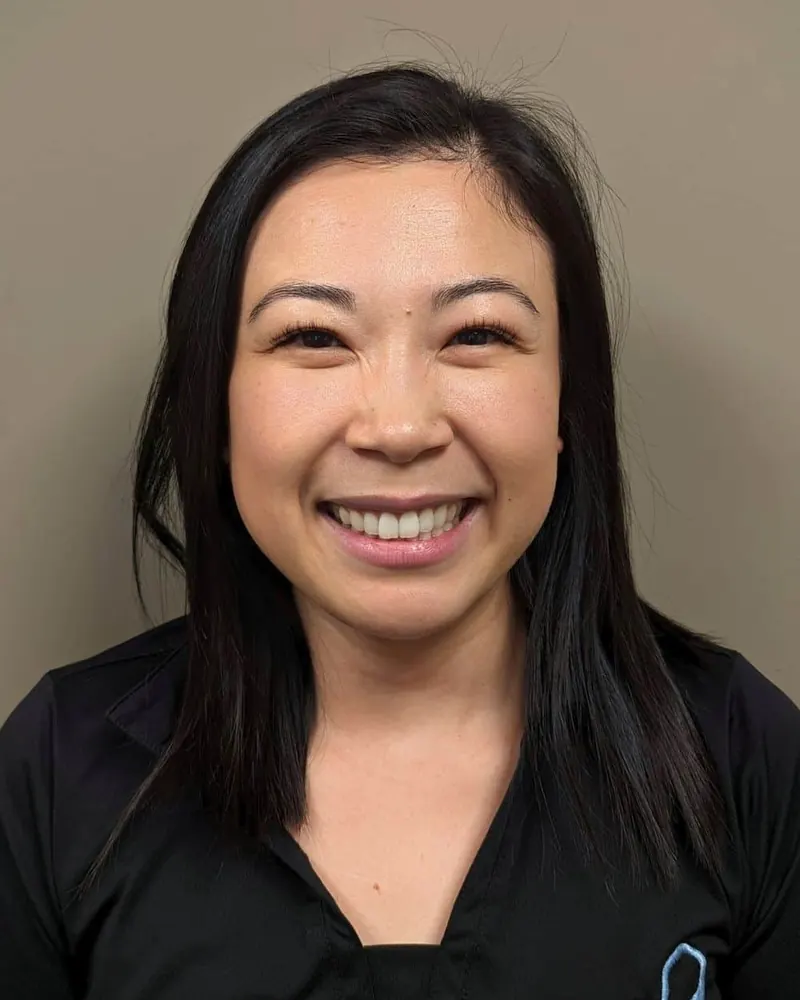 An Luu
Physiotherapist, co-ownerMPT (UBC); BKin (UFV), Dean's Medal
-
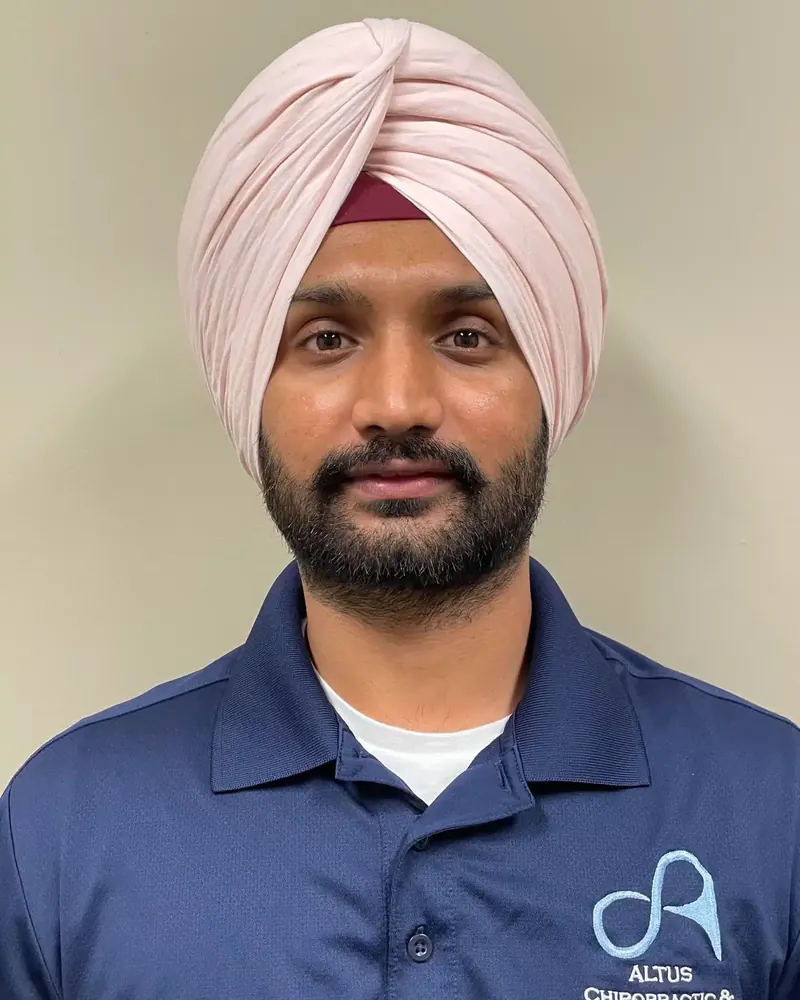 Harmanjeet Singh
PhysiotherapistMulligan, Maitland and McKenzie methods
-
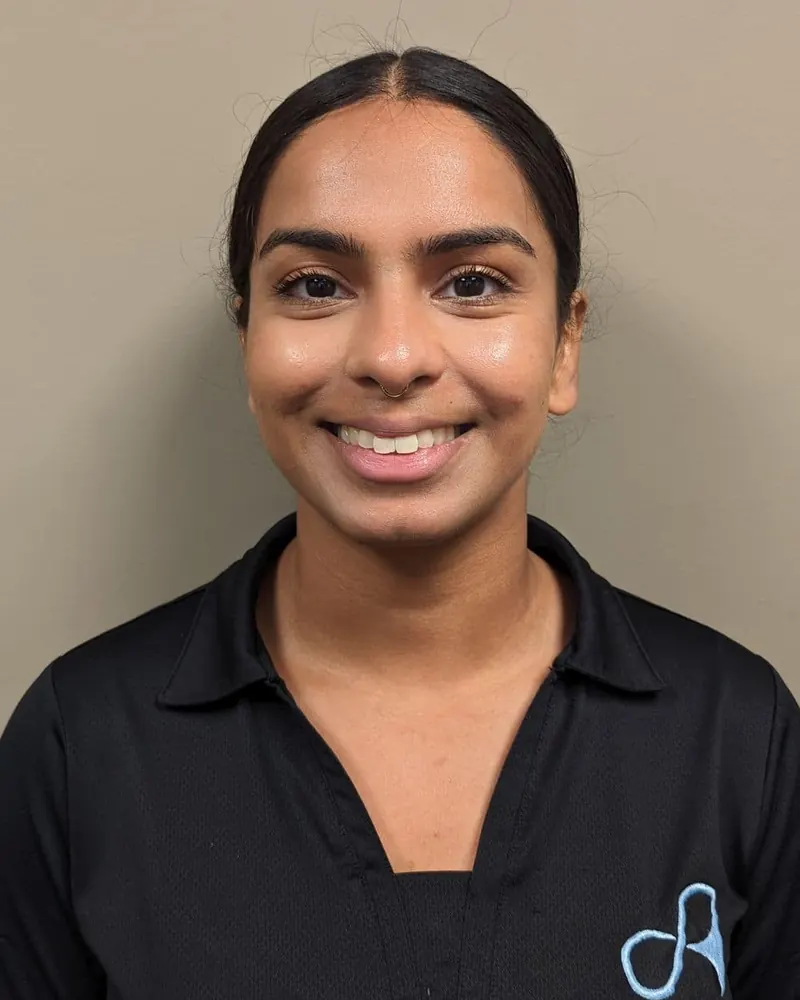 Nikkie Brar
PhysiotherapistMSc Physiotherapy (University of Brighton); BSc (SFU)
Patient Reviews
What our patients are saying
"I love the new clinic here at McCallum! Nikki is such a great help to me, I recommend her big time!"
"I have been struggling with back and neck pain for years. I have seen many different chiropractors and doctors but none of them were able to resolve my problem. ALTUS has helped me tremendously."
"They took the time to learn more about me and my lifestyle."
FAQs
IMS and dry needling questions
Is dry needling the same as acupuncture?
No. Both use thin filament needles, but dry needling follows a physiotherapy assessment and targets tight or sensitive muscle, while acupuncture is based on traditional Chinese medicine's meridian points. In BC, physiotherapists need certification to perform dry needling. We offer dry needling and IMS, but not acupuncture.
What is IMS?
IMS (intramuscular stimulation) is a form of dry needling developed by Dr. C. Chan Gunn in Vancouver. A physiotherapist places a thin needle into shortened, sensitive muscles, both where it hurts and beside the spine at the level of the nerve that supplies the area. It's used alongside exercise and hands-on treatment.
Does dry needling hurt?
Most people feel the needle go in as a small prick, or not at all. When it reaches a tight muscle, a deep ache or a brief twitch of the muscle is common. Your physiotherapist checks in with you throughout, and you can ask them to stop at any time.
Is it normal to be sore after dry needling?
Yes. The needled muscles often ache for a day or two, much like after a hard workout, and a small bruise can appear. Gentle movement and your exercises help. If soreness keeps getting worse, call us. If you feel short of breath or have chest pain, get medical help straight away.
Is dry needling covered by insurance?
When a physiotherapist does it, dry needling is usually claimed as physiotherapy, so coverage depends on your plan's physiotherapy benefit. We direct bill most major insurance providers for eligible plans. Check your plan's wording before your visit.
How much does IMS cost?
IMS and dry needling are priced differently from a standard physiotherapy visit. Fees are confirmed when you book.
Do I need a referral?
No. Physiotherapy in BC is direct access, so you can book without a doctor's referral. Some extended health plans have their own referral rules for reimbursement, so check your plan.
Technical detail
IMS and Dry Needling: How Intramuscular Needling Works
Dry needling is a treatment in which a trained practitioner inserts a thin, solid filament needle into tight or sensitive muscle. Intramuscular stimulation (IMS) is a form of dry needling developed by Dr. C. Chan Gunn in Vancouver, which also targets muscles near the spine that share a nerve supply with the painful area. Physiotherapists use both approaches within a broader plan of assessment, hands-on treatment and exercise. "Dry" means nothing is injected: the needle is solid, and the effect comes from the needle itself. In British Columbia, physiotherapists need certification from the College of Health and Care Professionals of BC (CHCPBC) to perform dry needling. Dry needling is not acupuncture, which follows traditional Chinese medicine's meridian system. At Altus Integrated Health, IMS and dry needling are provided by physiotherapists An Luu, Harmanjeet Singh and Nikkie Brar.
Two Models of Intramuscular Needling
Two main models explain why and where practitioners place needles, and they lead to different treatment patterns.
The trigger point model. Janet Travell and David Simons described myofascial trigger points: small, hypersensitive spots within a taut band of muscle that hurt when pressed and can refer pain to other areas. A trigger point in the upper trapezius, for example, can refer pain up the side of the head. Trigger point dry needling locates these points by palpation and needles them directly. The aim is to reduce the sensitivity and tension of the band.
The Gunn IMS model. Dr. Gunn proposed that much chronic muscle pain comes from irritation of the nerve as it leaves the spine, which makes the muscles it supplies supersensitive and shortened. IMS therefore needles both the shortened muscles in the painful area and the deep muscles beside the spine at the matching segment. A person with elbow pain, under this model, may have needles placed in the forearm and in the neck.
Many physiotherapists draw on both models. The assessment decides which muscles to treat, and the treatment follows from what the physiotherapist finds rather than from a fixed recipe. Variations exist within each approach: superficial needling stays in the tissue just under the skin; deep needling reaches the muscle belly; and some practitioners attach a mild electrical current to the needles.
Assessment Before Needling
Needling starts with a physiotherapy assessment, because the same symptom can come from several sources and needling suits only some of them.
The assessment follows a set order:
- History. The physiotherapist records where the pain is, how it started, what aggravates and eases it, and the patient's work, sport and goals.
- Movement and strength. Range of motion and resisted tests show which movements are restricted and which reproduce the pain.
- Palpation. The physiotherapist feels for taut bands, tender points and areas of guarding in the relevant muscles.
- Nerve and spine screen. Where symptoms spread into an arm or leg, sensation, reflexes and strength are checked, and the spinal segments are examined.
- Suitability check. The physiotherapist asks about bleeding disorders, blood-thinning medication, pregnancy, infection, a history of fainting with needles, and fear of needles.
The physiotherapist then explains what they found, whether needling fits the plan, and what it involves. Needling goes ahead only with the patient's informed consent, and the patient can decline it or stop at any point. Hands-on treatment and exercise offer alternatives for anyone who prefers not to be needled.
What Happens During a Needling Treatment
A needling session follows a consistent routine that prioritises safety.
- Preparation. The physiotherapist positions the patient comfortably, cleans the skin and uses single-use, sterile filament needles, which are disposed of after the session.
- Insertion. A guide tube helps the needle enter the skin quickly. Most people feel a small prick, or nothing at all.
- In the muscle. As the needle reaches a tight band, a deep ache or a cramp-like sensation is common. A brief, involuntary contraction of the muscle, called a local twitch response, often occurs. It is startling the first time but passes in a moment.
- Duration. Some techniques use quick in-and-out movements; others leave the needle in place for several minutes. Gunn IMS often uses short needle times at multiple sites.
- Afterwards. The physiotherapist rechecks movement and usually follows needling with stretching, mobility work or exercise, to make use of the change in the muscle.
Needling rarely makes up a whole session. It sits within physiotherapy treatment that also includes hands-on techniques and the home exercise program, and some sessions involve no needling at all.
After-Effects, Safety and Precautions
Most after-effects are mild and short-lived.
- Soreness. The needled muscles commonly ache for a day or two, like after a hard workout. Gentle movement and the exercises from the session help.
- Bruising. A small bruise at a needle site is common, especially in areas with more blood vessels.
- Light-headedness. A few people feel faint during or after needling, which is why treatment is done lying down or well supported.
- Tiredness. Some people feel tired or emotional for the rest of the day.
Serious complications are rare but known. The most important is pneumothorax, an air leak around a lung, which can occur when needling near the chest wall. Certified physiotherapists learn needle depth, angle and the anatomy of each region to manage that risk. Shortness of breath or chest pain after needling near the chest needs prompt medical attention.
Precautions guide when needling is modified or avoided. They include bleeding disorders and anticoagulant medication, a weakened immune system, infection or broken skin at the site, lymphedema in the area, pregnancy (for some regions), and strong fear of needles. The suitability questions at the assessment cover each of these, and the answers can change the plan.
Regulation, Training and Coverage
Dry needling by physical therapists in British Columbia is regulated through the College of Health and Care Professionals of BC. The college requires a physical therapist to be certified before performing dry needling. Certification requires practice experience as a licensed physical therapist and completion of an approved dry needling course. The certification sits on top of the physiotherapist's general licence, so not every physiotherapist performs needling.
Coverage follows the profession that provides the treatment. Dry needling performed by a physiotherapist is usually claimed as physiotherapy, so whether a plan pays for it depends on the plan's physiotherapy benefit and limits. Checking the plan wording before the first visit avoids surprises. At Altus Integrated Health, dry needling and IMS are priced differently from a standard physiotherapy session, and fees are confirmed at booking. Altus direct bills most major extended health insurers for eligible plans.
No referral is needed. Physiotherapy in BC is direct access, so a patient can book an assessment without seeing a doctor first, although some extended health plans set their own referral rules for reimbursement.
Key facts
Dry Needling Places A Thin Filament Needle Into Tight Or Sensitive Muscle
The needle used in dry needling is solid, very fine and single-use. It goes into a taut band, trigger point or shortened muscle identified at the assessment. Nothing is injected; the treatment relies on the needle's effect on the muscle and the nervous system.
IMS Is A Form Of Dry Needling Developed In Vancouver
Dr. C. Chan Gunn developed intramuscular stimulation in Vancouver. IMS treats muscle pain as a sign of irritated nerves and therefore needles both the painful area and the muscles beside the spine at the matching nerve level. The approach has been taught to physiotherapists in BC for decades.
Physiotherapists In BC Need Certification To Perform Dry Needling
The College of Health and Care Professionals of BC requires physical therapists to hold certification before performing dry needling. Certification follows practice experience and an approved course. At Altus Integrated Health, three physiotherapists provide IMS and dry needling: An Luu, Harmanjeet Singh and Nikkie Brar.
Dry Needling Is Not Acupuncture
Dry needling and acupuncture use similar needles but rest on different foundations. Dry needling follows a musculoskeletal assessment and targets muscle and nerve-related tension. Acupuncture follows traditional Chinese medicine's meridians and points, and in BC is provided by registered acupuncturists and others with their own authorization. Altus Integrated Health offers dry needling and IMS, but not acupuncture.
Needling Works Best As One Part Of An Active Treatment Plan
Needling can reduce tension and sensitivity in a muscle for a period of time. That window is most useful when movement and exercise follow, rebuilding the strength and control that keep the change. A plan that relies on needling alone leaves the cause of the problem in place.
Common Misconceptions About Dry Needling
Misconception: Dry Needling Is The Same Thing As Acupuncture
The two share the needle, not the reasoning. Dry needling follows a musculoskeletal assessment of muscles, joints and nerves; acupuncture follows traditional Chinese medicine's meridian system. They involve separate training and, in BC, separate authorization.
Misconception: Needling Injects Something Into The Muscle
"Dry" means no substance is injected. The needle is solid rather than hollow. This distinguishes dry needling from trigger point injections, which a physician performs with medication.
Misconception: Dry Needling Replaces The Need For Exercise
Needling can ease a tight, sensitive muscle in the short term. Exercise and movement afterwards build the capacity that holds that change. Skipping the exercise part leaves the original weakness or overload in place.
Misconception: More Needles And More Sessions Always Mean Better Results
The number of needles and sessions follows the assessment and the response to each treatment. A physiotherapist adjusts the plan, or stops needling, when it isn't adding to progress. More needling is not automatically better care.
Misconception: Anyone Who Treats Muscles Can Perform Dry Needling
In BC, a physiotherapist needs certification from the college, after approved training, before performing dry needling. It is not something a practitioner adds to their care without that step.
Ongoing Debates in Dry Needling
Strength of the evidence. Supporters point to studies reporting short-term reductions in muscle pain and sensitivity, particularly in the neck, shoulder and lower back. Sceptics note that many trials are small or short and call for stronger long-term evidence before needling is treated as a first-line approach.
Trigger points or nerves. Clinicians who follow the trigger point model needle where the taut bands and tender points are. Those who follow Gunn's model argue the nerve root is the driver and needle at the spine as well. Many practitioners combine the two, and the debate shapes where needles go.
The twitch response. Some practitioners aim for a local twitch response, believing it signals that the needle has reached the right tissue. Others argue the twitch is not necessary and favour gentler techniques that avoid it.
Dry needling and acupuncture. Physiotherapists and acupuncturists continue to debate where one practice ends and the other begins, since both insert filament needles. The debate mostly concerns training, terminology and regulation rather than the needle itself.
When to needle. Some clinicians use needling early to reduce pain so that exercise is easier. Others reserve it for problems that have not responded to exercise and manual therapy. Most agree it belongs inside a plan rather than on its own.
Components of Dry Needling Treatment
A dry needling treatment assembles from parts that depend on one another. The physiotherapy assessment forms the first component, deciding whether needling suits the problem and which muscles to target. Informed consent forms a component of every needling session, renewed whenever the plan changes. Within the muscle, the taut band forms a component of a myofascial trigger point, which is why palpation guides the needle. Under the Gunn model, the spinal segment forms a component of the assessment, linking the painful muscles to the nerve that supplies them. Exercise after needling forms a component of the session itself, using the change in the muscle to restore movement. Removing any of these parts, most often the exercise, weakens the treatment as a whole.
Summary
Dry needling places a thin, solid filament needle into tight or sensitive muscle; IMS, developed by Dr. C. Chan Gunn in Vancouver, applies the same tool to both the painful area and the muscles near the spine. Physiotherapists in British Columbia need certification from their college before performing it, and they use it within a plan that starts with assessment and continues with hands-on treatment and exercise. Common after-effects are short-lived soreness and bruising, and precautions guide when needling is modified or avoided. Dry needling is not acupuncture. At Altus Integrated Health, IMS and dry needling are provided by physiotherapists An Luu, Harmanjeet Singh and Nikkie Brar, with fees confirmed at booking.
More care at Altus
Care that works alongside it
Directions
Two Abbotsford clinics
McCallum Road Clinic
Altus Integrated Health
2168 McCallum Rd #8Abbotsford, BC V2S 6R6
- Mon to Fri9:00 am to 6:00 pm
- Sat and SunClosed
Ventura Avenue Clinic
Altus Chiropractic and Physiotherapy
32920 Ventura Ave #101Abbotsford, BC V2S 6J3
- Mon to Fri9:00 am to 6:30 pm
- Sat9:00 am to 1:00 pm
- SunClosed